There’s nothing more frustrating than stepping into your shower on a freezing Edmonton morning, only to be hit with an icy blast. If you find yourself Googling, “No hot water in winter. Repair or replace?” you’re not alone.
Hot water tank failures spike during the colder months. Winter conditions significantly impact how your system performs. If you’re dealing with inconsistent temperatures, lukewarm water, or a complete loss of hot water, the first step is understanding your options.
In this guide, we break down whether repairing your hot water tank or replacing it is better for Edmonton homeowners facing hot water issues in the winter.
Why Winter Is So Hard on Your Water Heater
Winter puts extreme stress on every water heater tank, especially in Edmonton homes. There are three main reasons why:
1. Colder Weather = Incoming Water
Cold weather makes colder incoming water, which makes your heater work harder. This reduces your hot water tank’s effective capacity by 25% (or more), causing you to run out of hot water faster.
2. Increased Demand
During cold weather, the amount of hot water used goes up:
- Longer showers
- More laundry
- More hand washing
- Dishwashers running more frequently
The increased demand, combined with colder ambient temperatures, can significantly impact your hot water supply.
3. Heat Loss in Unheated Areas
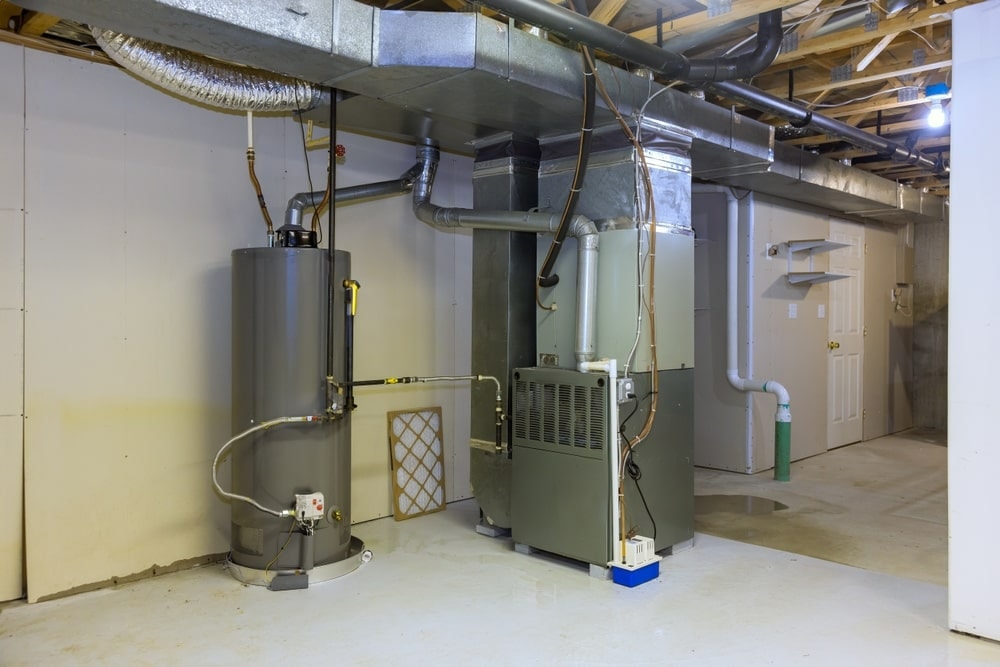
Many hot water tanks sit in basements, utility rooms, or other unheated areas. Your water heater must work against cold air to maintain its internal temperature, which leads to additional heat loss and strain on the system.
If your water heater is already older or has existing issues, winter will expose them quickly.
First: Simple Troubleshooting Before You Panic
Before assuming you need a replacement, perform a few basic checks:
- Ensure the circuit breaker hasn’t tripped (for electric water heaters)
- Check the electrical panel
- Confirm the gas supply is on (for a gas water heater)
- Make sure the pilot light is lit
- Check the thermostat or set temperature
- Look for a tripped thermal switch
- Confirm the gas valve is open
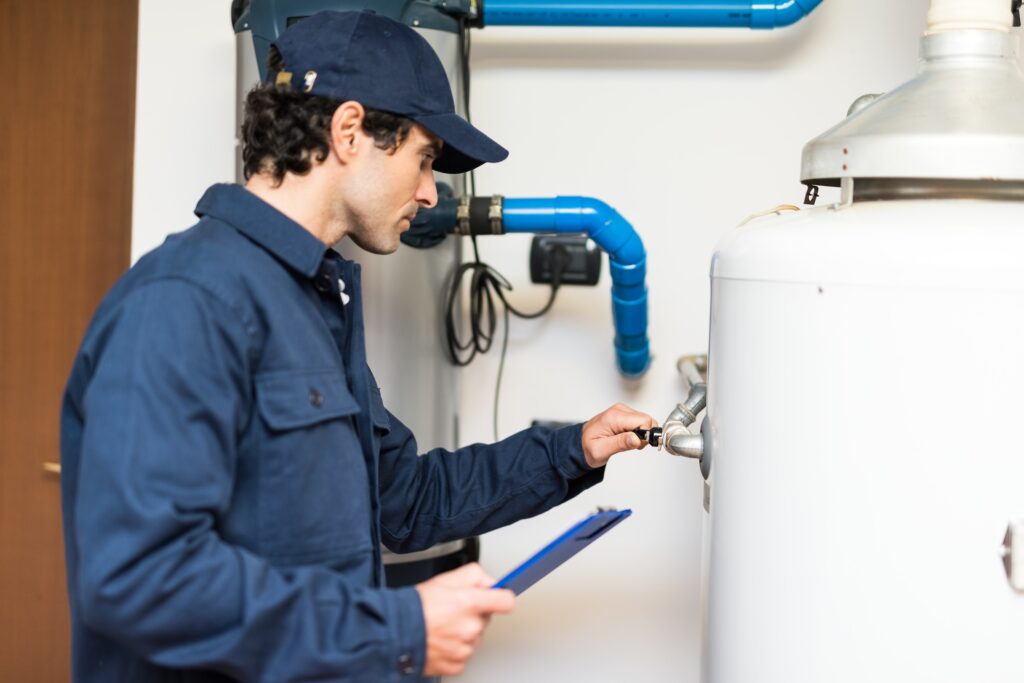
If your hot water suddenly disappears, a reset may get hot water flowing again. However, if you’re uncomfortable checking these items (or suspect a gas leak or electrical issue), it’s best to contact a licensed plumber immediately.
A prompt evaluation is especially important during winter to prevent further damage or safety risks.
When a Repair Makes Sense
Not every winter failure means your system is done for good. A repair is cost-effective if the unit is relatively new.
Here are common repairable issues:
Faulty Heating Elements (Electric Water Heaters)
If heating elements fail, your electric water heaters may produce only lukewarm water, or none at all. Replacing heating elements is typically less expensive than installing a new unit.
Pilot Light or Gas Valve Issues (Gas Water Heater)
If the pilot light goes out, your gas water heater won’t produce hot water. A faulty gas valve or gas line issue can also stop heating entirely.
Sediment Buildup
Hard water is common in Edmonton. Over time, sediment buildup collects at the bottom of the tank, forming a barrier between the heating element and the water.
This can cause:
- Popping or rumbling sounds
- Slower heating
- Inconsistent water temperature
- Higher energy bills
Flushing the tank and performing scheduled maintenance can often restore performance.
Thermostat Problems
A malfunctioning thermostat can lead to inadequate hot water supply or scalding risks. Adjusting the set temperature to the recommended 120°F (49°C) may resolve minor issues.
If your water heater’s life is under 8 years and the repair cost is reasonable, repairing is often the best defence.
When Replacement Is the Smarter Choice
Let’s address the big question: If there’s no hot water during winter, do I repair or replace the hot water tank?
1. Age of the Unit
Hot water tanks typically last between 8 to 12 years depending on usage and regular maintenance.
Replacement might be more cost-effective than repairs if your heater is:
- Approaching 8–10 years
- Experiencing recurring hot water problems
- Struggling to maintain steady hot water
- Showing signs of a failing tank
2. Leaking Water Heater
A water heater that leaks almost always signals a failing tank. Once the tank itself is compromised, repair isn’t a viable long-term solution.
3. Repair Costs Over 50% of Replacement
If a repair costs more than 50% of the price of a new unit, replacement is typically the smarter investment.
4. Insufficient Capacity
If your hot water runs out quickly, even when the unit is functioning, your tank may be undersized. Colder months amplify this issue because colder water entering the tank requires more energy to heat.
A properly sized tank can eliminate many performance issues during winter months.
Tank vs. Tankless: Is It Time to Upgrade?
If you’re replacing your unit, you may wonder whether to stick with a traditional tank or consider a tankless water heater.
Tank Water Heaters
- Store and maintain a reservoir of hot water
- Typically cost less to purchase and install
- Simple and reliable for most households
Tankless Water Heaters
- Heat water only when needed
- Provide more consistent hot water in high-demand periods
- Often more energy efficient
- Take up less space
Modern hot water heaters offer new and efficient water heating technology. Tank or tankless, the right choice depends on household size, hot water usage, and long-term goals.
Signs Your Water Heater Is Struggling
Is your water heater struggling? Not sure whether your unit is failing? Watch for these warning signs:
- Cold showers during peak usage
- Water temperature fluctuating
- Hot water runs out faster than usual
- Rust-coloured water
- Unusual noises from the tank
- Frequent resets or breaker trips
- Visible leak around the base
- Rising energy bills
- Inconsistent water temperature
Cold weather can make temperature inconsistency more noticeable. If issues show in winter, they might decline in the warmer months—but that doesn’t mean the problem is gone.
Ignoring early signs can lead to complete failure during peak winter demand.
Preventing Future Winter Breakdowns
Whether you repair or replace, prevention makes a big difference.
Reduce Heat Loss
- Insulate your hot water pipes
- Insulate the tank (if appropriate)
- Keep the area around the unit warmer if possible
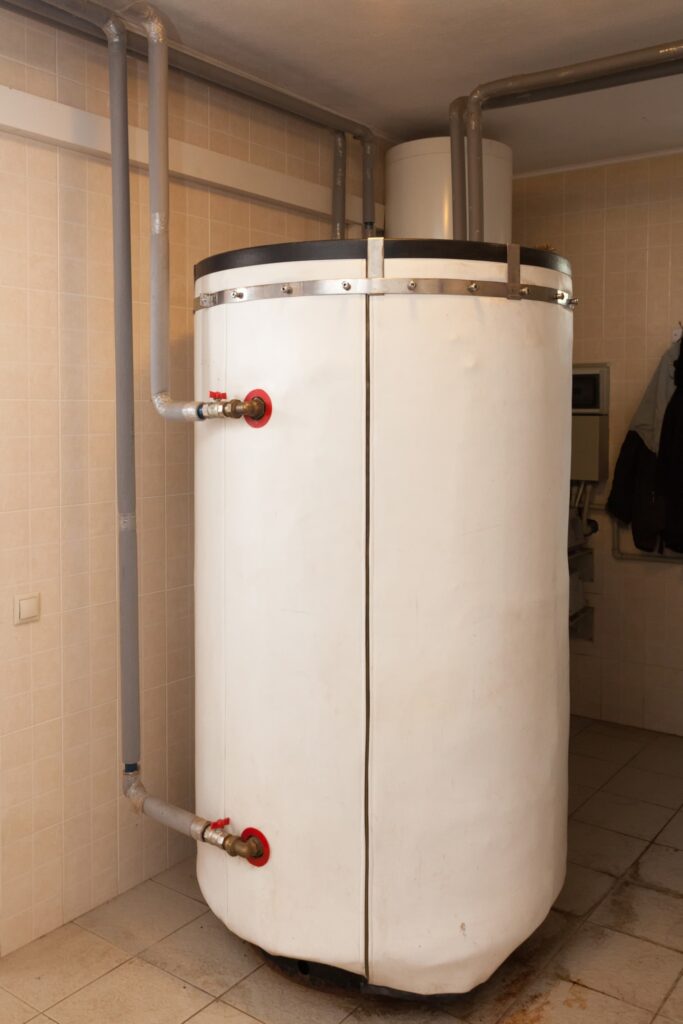
Insulating your water heater and pipes can reduce heat loss significantly.
Annual Maintenance
- Flush the tank at least annually
- Inspect the anode rod
- Check heating elements
- Test thermostat accuracy
- Inspect for sediment buildup
Regular preventative maintenance can extend the lifespan of your water heater and reduce costly repairs. Avoid winter emergencies next year and schedule a pre-winter maintenance check.
What’s the Safest and Most Cost-Effective Option?
When you’re dealing with cold water in winter, the stress of unexpected expenses is a real concern.
Here are some simple rules of thumb:
- Under 8 years old + minor issue = Repair
- Over 8–10 years old + recurring issues = Replace
- Leaking tank = Replace immediately
- Repair cost over 50% of new unit = Replace
Trusted Hot Water Tank Repair & Replacement in Edmonton
At Apollo Plumbing, we understand how disruptive winter water problems can be. That’s why we’re here 24/7 to help restore your comfort, whether you need:
- Emergency hot water tank repair
- A full hot water tank replacement
- An upgrade to a more efficient system
- Professional maintenance
If you’re dealing with no hot water this winter and don’t know whether to repair or replace, don’t wait.
Get back to warm, reliable hot showers. Contact Apollo Plumbing today to request a quote or schedule service today.