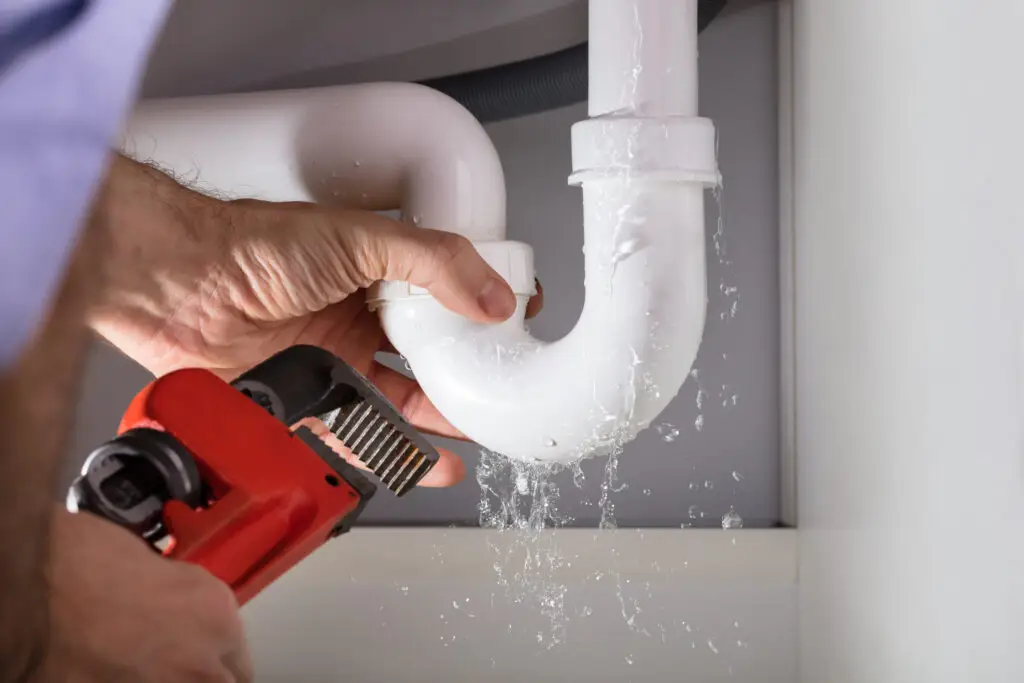
Spring in Edmonton always brings relief from winter’s deep freeze. It can also bring an unpleasant surprise: water or sewage coming up through the basement floor drain.
As a homeowner, you probably want to know why your basement drain backs up in spring when the weather warms and snow melts. The issue often stems from problems in the main sewer line, debris built up over winter, or an overwhelmed sewer system caused by rapid snowmelt and heavy rain.
In many cases, if drains already show signs of trouble, professional drain cleaning can restore proper drain flow. In this blog, we explore why spring is the most common time for basement floor drains to backup, common drainage warning signs, and how Edmontonians can protect their homes from costly repairs.
Why Your Basement Floor Drain Backs Up in Spring
During winter, your home’s plumbing system works quietly beneath the surface. Once temperatures rise and snow melts, several factors put stress on your drainage system.
Rapid Snowmelt Overwhelms Sewer Systems
One of the biggest causes of basement flooding in spring is the sudden influx of water entering sewer systems.
When snow melts quickly:
- Large volumes of water enter storm drains
- Ground soil becomes saturated
- The main sewer line becomes overloaded
- Wastewater may begin flowing backward into connected homes
This is why sewer backups happen during periods of rapid snowmelt combined with heavy rain. This causes the basement floor drain, the lowest drain, to show the problem first.
Winter Debris Builds Up in Drain Pipes
A clogged main drain line is the most common cause of basement floor drain backups.
Debris accumulates inside drain pipes over the winter, often causing the clog. In colder seasons, homeowners may unknowingly send materials down the drain that contribute to this clog, including:
- Grease and food particles
- Hair and soap residue
- Paper products like toilet paper
- Dirt and leaves washed into exterior drains
Tree Roots Invading Sewer Lines
Tree roots can often cause sewer line issues. Older properties are especially susceptible to roots invading sewer lines.
Roots naturally need moisture, and underground sewers provide a perfect source. Even tree roots from metres away can cause tiny cracks in pipes. Once inside the pipe, roots expand and trap debris. Blockages are created and, in turn, prevent wastewater from draining properly.
Signs of root intrusion often include:
- Slow drainage
- Gurgling noises in toilets or sinks
- Recurring drain backup problems
- Water flowing backward in basement drains
Root growth accelerates in spring, which is why homeowners suddenly notice basement drains backing up during this time.
The Freeze–Thaw Cycle Damages Pipes
Winter can also affect the pipes themselves. As temperatures fluctuate, the soil around your home repeatedly freezes and thaws. This process shifts the ground, putting pressure on underground plumbing.
Over time, this movement damages and cracks pipes, misaligns sewer lines, and can even cause the collapse of some pipe sections.
These structural problems restrict water flow, allowing debris to accumulate. And when water demand increases in spring, this can cause a basement floor drain to back up. Pipe replacements may be necessary if older pipes suffer significant damage.
Heavy Rain and Saturated Soil
Spring storms can also create conditions where your home’s drainage system simply cannot keep up.
When the soil around your foundation becomes saturated:
- Groundwater pushes toward the house
- Water can seep in through basement walls
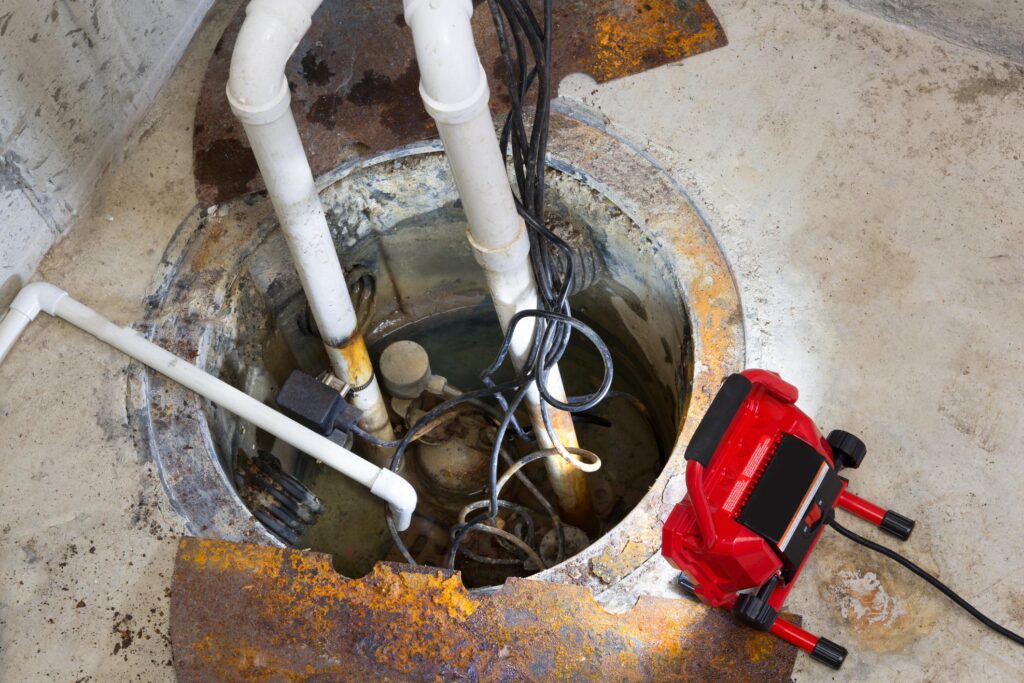
- Your sump pump may run continuously
- Excess water may enter the floor drain
If a sump pump fails or becomes overwhelmed, basement water quickly accumulates. Scheduling early spring inspections ensures your sump pump and drainage system are working properly.
Warning Signs of a Basement Drain Backup
When a basement drain backs up, it rarely happens without warning. Many homeowners notice subtle signs before water begins rising in the drain.
Watch for these common indicators:
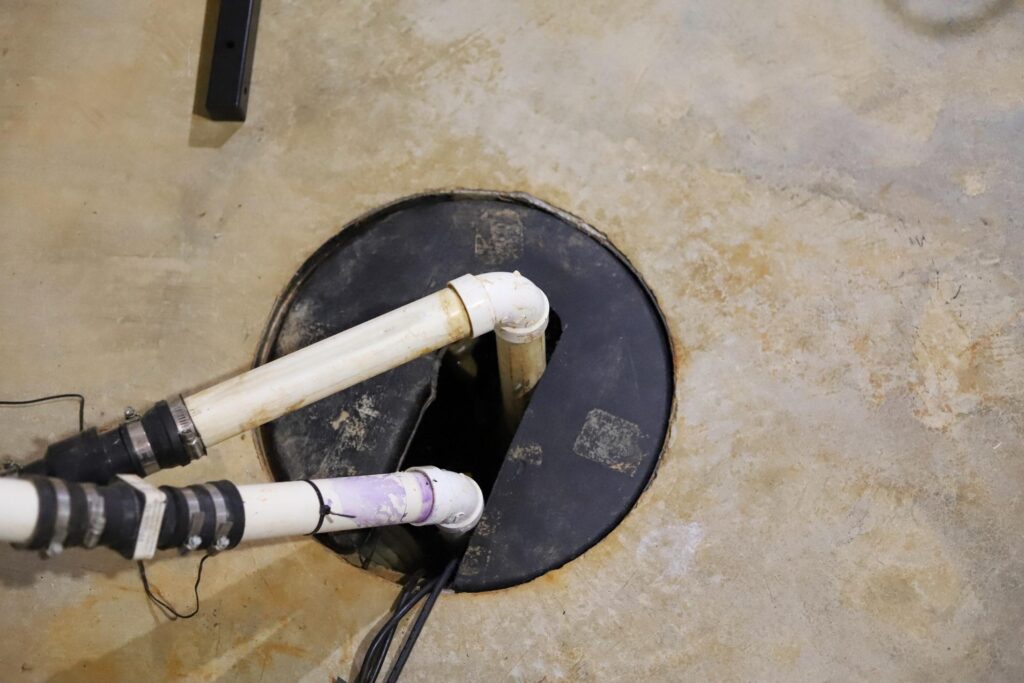
- Standing water near the basement floor drain
- A bad smell coming from drains
- Slow drainage from sinks or tubs
- Water rising in the floor drain
- Gurgling noises in pipes
- Water backing up when washing machines run
- Multiple drains draining slowly at the same time
If you notice these symptoms, it may indicate clogged drain lines or early signs of sewer pipe issues. Learn more about common drain problems every homeowner should know.
How Professional Drain Cleaning Solves the Problem
When a blockage forms in the main line of the sewer, DIY solutions rarely fix the root cause. A professional plumber uses specialized tools designed to clear blockages safely and restore proper flow.
Professional drain cleaning may involve:
- A drain snake or plumber’s snake to break up blockages
- An electric snake for deeper clogs in the main drain
- Clearing debris trapped by tree roots
- Inspecting the line for damaged pipes
Some homeowners might try a fix with baking soda, plungers, or chemical cleaners (we don’t advise this, since these methods rarely resolve deep sewer system blockages.) Professional drain cleaning will always help avoid costly repairs, address your drainage issues, and ensure waste water flows freely.
Preventing Basement Drain Backups
Although spring conditions can increase risk, there are several steps homeowners can take to prevent flooding and protect their plumbing.
Schedule Regular Drain Maintenance
Regular maintenance of your drain helps:
- Identify clogged drains early
- Detect aging pipes or pipe damage
- Remove debris before it blocks the main drain
- Keep the drain flowing properly
Install a Backwater Valve
A backwater valve prevents sewage from flowing back into your home during heavy rain.
When water in the sewer system rises, the valve automatically closes to block reverse flow. Installing backwater valves is one of the most effective ways to prevent sewer backups in basements.
Maintain Your Sump Pump
A working sump pump helps divert groundwater away from your home. If it fails, excess water may accumulate around your foundation and contribute to basement flooding. Test pumps annually to make sure they’re in working condition.
Direct Water Away From Your Foundation
Extend downspouts away from the house, ensure proper grading around the foundation, and keep exterior drains clear. This reduces water pressure around the basement and lowers the risk of water seeping inside.
When to Call a Professional Plumber
While minor clogs can be cleared easily, recurring backups may mean there is a deeper issue.
Contact a qualified plumber if you notice:
- A basement floor drain backup
- Repeated clogged basement drains
- Sewage smells or visible wastewater
- Multiple drains backing up simultaneously
- Water returning after using a drain snake
If you have an urgent situation, emergency plumbing servicescan quickly restore safe drainage and prevent further damage.
Protect Your Basement Before the Next Spring Storm
It’s stressful discovering that you have a backup in your basement drain or a sewage backup in your home. Springtime makes these issues more likely, especially when you put snowmelt, heavy rain, and aging plumbing systems together.
The good news is that most backups are preventable with proper maintenance and early action.
Apollo Plumbing helps Edmonton homeowners keep their plumbing systems running smoothly. If you’re noticing slow drainage, standing water, or a foul smell coming from your basement drains, contact Apollo Plumbing. Prevent basement flooding and keep your basement dry this spring.